Uganda’s creative industry has long faced challenges such as piracy, unfair compensation, and weak enforcement of intellectual property rights. The Copyright and Neighboring Rights (Amendment) Bill, 2025 marks a significant step toward addressing these issues by modernizing the country’s copyright framework and aligning it with global standards.
Background and Purpose of the Bill
The amendment was introduced to update the outdated Copyright and Neighboring Rights Act of 2006, which had failed to keep pace with technological advancements, particularly in the digital space.
The primary objectives of the Bill include:
- Strengthening protection for creative works such as music, films, books, and performances
- Enhancing enforcement mechanisms against piracy, especially online
- Ensuring fair remuneration for artists and rights holders
- Aligning Uganda’s laws with international treaties like the Berne Convention and WIPO treaties.
Overall, the Bill seeks to create a more robust and modern legal environment for Uganda’s growing creative economy.
Key Provisions of the Amendment Bill
1. Stronger Protection for Creators
The Bill expands legal protection to cover a wider range of works, including literary works, audiovisual productions, and derivative creations such as translations and adaptations.
It also introduces the concept of “orphan works “creative works whose owners cannot be identified, allowing regulated use under specific licensing conditions.
2. Stricter Penalties for Copyright Infringement
One of the most notable changes is the introduction of tougher penalties for copyright violations. Offenders may face:
- Fines of up to UGX 50 million
- Imprisonment of up to 10 years, or both.
Additional penalties apply to those dealing in equipment used for piracy, reinforcing deterrence against illegal reproduction.
3. Regulation of Royalty Collection and Distribution
The Bill introduces clearer systems for managing royalties:
- Collecting societies are given expanded powers to collect and distribute royalties
- Royalty payments are to be processed through structured national systems
- Government oversight is strengthened to ensure transparency and fairness.
These reforms aim to ensure that artists and performers are properly compensated whenever their work is commercially used.
4. Mandatory Copyright Registration for Enforcement
Under the new framework, enforcement actions such as content takedowns require proof of ownership through copyright registration.
This provision is intended to:
- Reduce disputes over ownership
- Improve clarity in enforcement
- Strengthen legal claims by rights holders
5. Improved Governance of Collecting Societies
The Bill introduces stricter requirements for collecting societies, including:
- Mandatory registration and certification
- Annual general meetings
- Increased accountability and transparency
Operating without proper registration becomes a criminal offence, with heavy penalties attached.
6. Digital and Online Copyright Enforcement
Recognizing the rise of digital platforms, the Bill strengthens protections against:
- Online piracy
- Unauthorized streaming and downloads
- Illegal distribution of digital content
This ensures that Uganda’s copyright regime reflects the realities of the digital age.
Impact on Uganda’s Creative Industry
The Bill has been widely welcomed by stakeholders in the creative sector. It is expected to:
- Increase income for artists, musicians, filmmakers, and authors
- Encourage investment in creative industries
- Promote innovation and content production
- Strengthen Uganda’s position in the global creative economy.
Many creatives see the amendment as a long-overdue reform that will enable them to earn fairly from their work and secure their intellectual property rights.
Legislative Progress
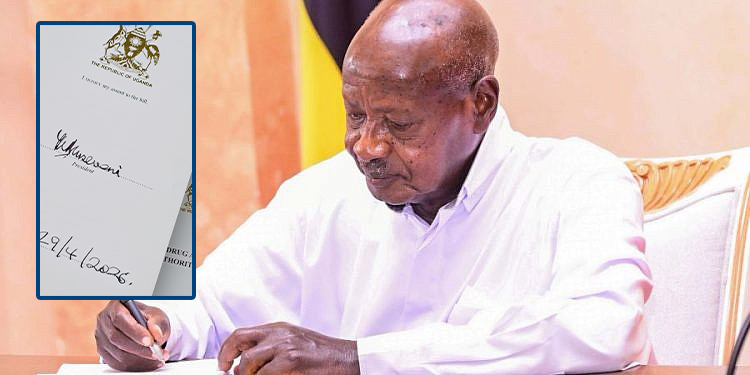
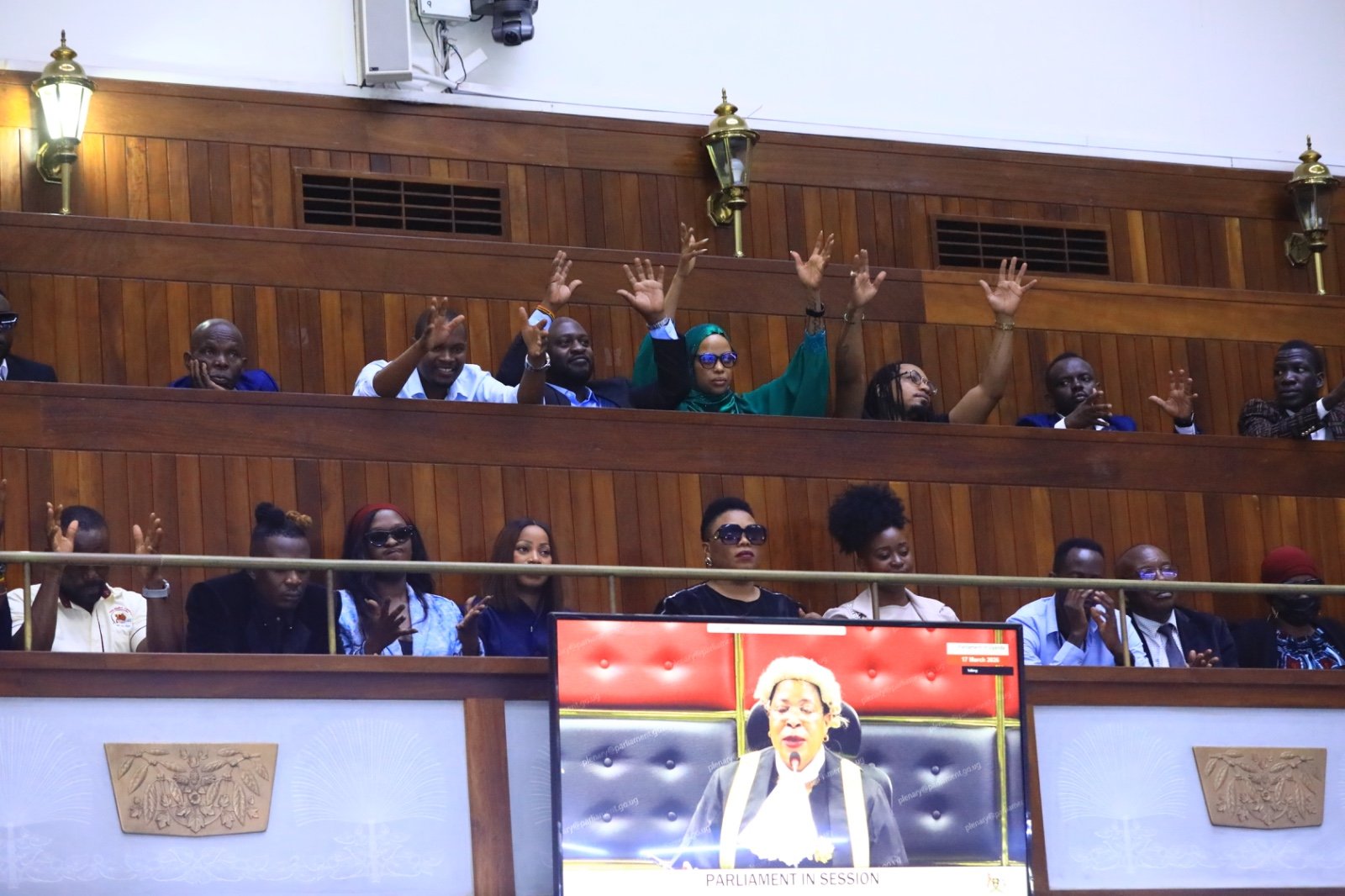
The Bill was introduced in May 2025 and later passed by Parliament in March 2026. It now awaits presidential assent before becoming law.
Conclusion
The Copyright and Neighboring Rights (Amendment) Bill, 2025 represents a transformative shift in Uganda’s intellectual property landscape. By strengthening enforcement, improving royalty systems, and adapting to digital realities, the law promises to empower creators and foster sustainable growth in the creative sector.
If effectively implemented, it could mark the beginning of a new era where Ugandan creatives fully benefit from their talent, innovation, and hard work.